Cost of Buying a House in Austin: A Budget Guide
A breakdown of Austin homebuying costs using Census Bureau and CFPB figures, showing what is fixed, what varies by lender, and how to build a realistic cash-to-close and monthly budget.
A measure-first plan for a cramped closet: empty it, sort it, measure it, and buy only the storage pieces that fit. Includes a worksheet and an add-on comparison table.
Published · 6 min read

To organize a small closet, empty it completely, clean the shelves, sort what you own, measure the space, and only then buy storage pieces. Put things back by category, with the items you wear most within easiest reach. The steps below follow that order.
You'll need a tape measure, a cloth for wiping shelves, a few bags or boxes for sorting, and a notepad or phone for your shopping list.

A small closet leaves little room for "maybe" items, so give every piece a clear destination. Consider the four piles from the steps above: keep, donate, seasonal storage, and trash or recycle. Organized Marie uses a simpler three-way sort of keep, donate, and discard.
For clothes you're unsure about, Wayfair suggests letting go of anything you haven't worn in over a year. Treat that as a starting guideline rather than a hard rule, since some items (a formal outfit, a rain jacket) are worn rarely on purpose.
| If the item is... | Consider putting it in... |
|---|---|
| Something you wear and that fits now | Keep |
| Wearable but not your style or size anymore | Donate |
| Wearable, but only in certain months | Seasonal storage |
| Stained, torn, or past repair | Trash or recycle |
If the keep pile still won't fit, Clutter Keeper says to give some items away or combine things into one tub while keeping them organized. Setting the rule before you shop helps: the closet's size decides how much stays, not the other way around.

This short worksheet takes about as long as a cup of coffee and can keep you from buying bins that don't fit.
| Category | How many | Hang or fold? | Space it needs (measure it) |
|---|---|---|---|
| Tops | ___ | ___ | ___ |
| Bottoms | ___ | ___ | ___ |
| Dresses | ___ | ___ | ___ |
| Outerwear | ___ | ___ | ___ |
| Shoes and accessories | ___ | ___ | ___ |
To measure hanging space, hold a tape measure along the rod beside your current hanging clothes. For folded items, measure a stack's height and width and compare it to your shelf.

Each add-on solves a different problem, so match it to the gap you found when measuring.
| Add-on | What it adds | Good to know |
|---|---|---|
| Second hanging rod | Storespace says it can double your hanging capacity; Homedecoreadvice calls it one of the most effective space-saving ideas | Works best where short items leave the lower half of the closet empty |
| Small dresser or shelving unit below hanging clothes | Space for shoes and baskets, per Storespace | Measure the depth and height under your clothes first |
| Stackable bins or drawers on the floor | Extra floor-level storage, as Organized Marie suggests | Choose sizes based on your measurements |
| Two-tier shoe rack | Homedecoreadvice says it doubles shoe capacity without adding clutter | Check that your tallest shoes fit on the lower tier |
| Over-the-door organizer | Wayfair calls the door an underused area; Homedecoreadvice says door organizers add storage without using floor space | Make sure the door still closes with it on |
| Hooks inside the door | Organized Marie suggests them for belts, scarves, or bags | Look for hooks that hang over the door if you can't drill |
| Slim, matching hangers | Homedecoreadvice claims they can increase hanging space by 30-40% | That figure is one source's claim, not a guarantee, so test it on a few items |
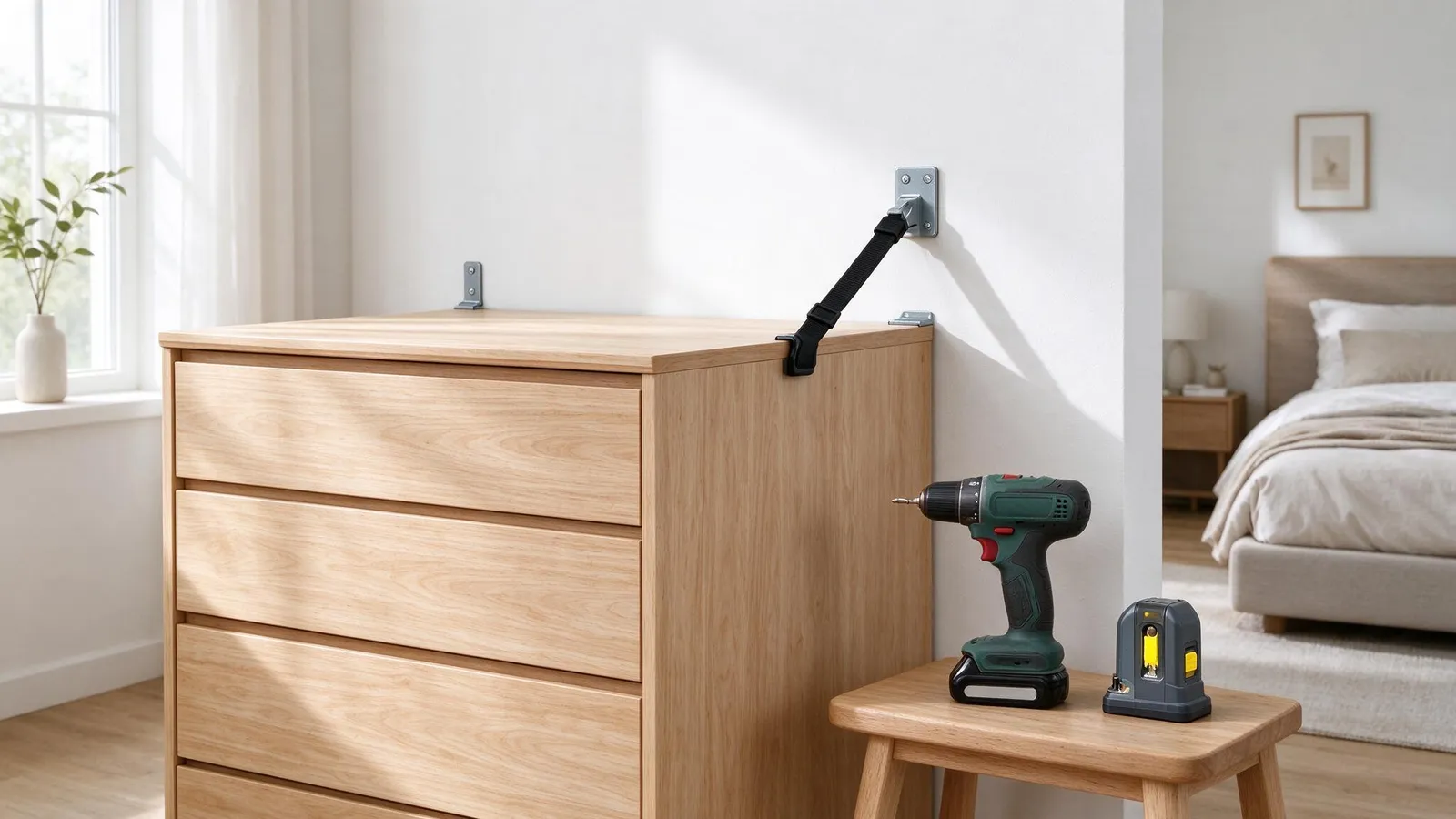
Before buying, consider how each piece attaches. Read the product instructions, and if a piece needs installation, check your lease first. If you add a tall dresser or shelving unit, see how to anchor furniture to a wall.
Hangers and folding can both save space, but they suit different garments. Wayfair recommends folding sweaters, especially bulky ones, because hangers can leave indentations in the shoulders. Wayfair also says multilayer hangers store more clothing in the same space as a single hanger.

If you try slim hangers, consider swapping in matching ones for a single rack first and see whether the extra room is worth it for you.
For arrangement, keep each category together, as Organized Marie suggests. She also recommends arranging clothes left to right with the most frequently worn items at the front. That way, your everyday pieces are the first thing you see and reach.
Moving out-of-season clothes out of the main closet frees up the most space with the least buying.

When the seasons change, swap the containers and the clothes in the closet, and reset the front-of-closet pieces at the same time.
A few small habits matter more than any single product. Use this checklist when you reset the closet each season.
A breakdown of Austin homebuying costs using Census Bureau and CFPB figures, showing what is fixed, what varies by lender, and how to build a realistic cash-to-close and monthly budget.
Anchoring dressers, bookcases, and TVs takes an anti-tip kit and a short install. Here's what to secure, how to do it, and what to do if you can't drill.
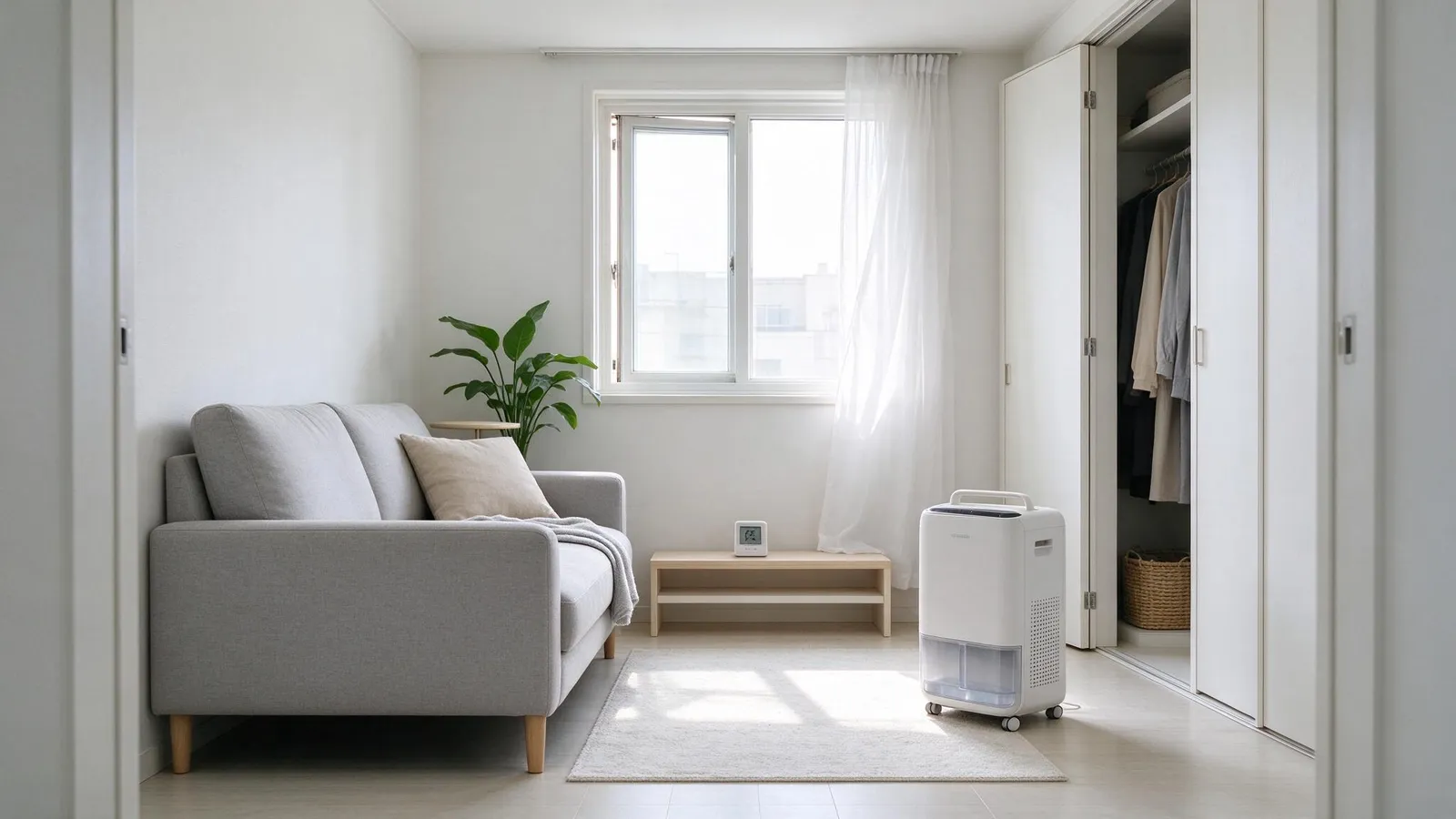
Mold keeps coming back when moisture does. Here's how renters can control humidity, fix problem spots room by room, and know when a mold issue is too big to handle alone.