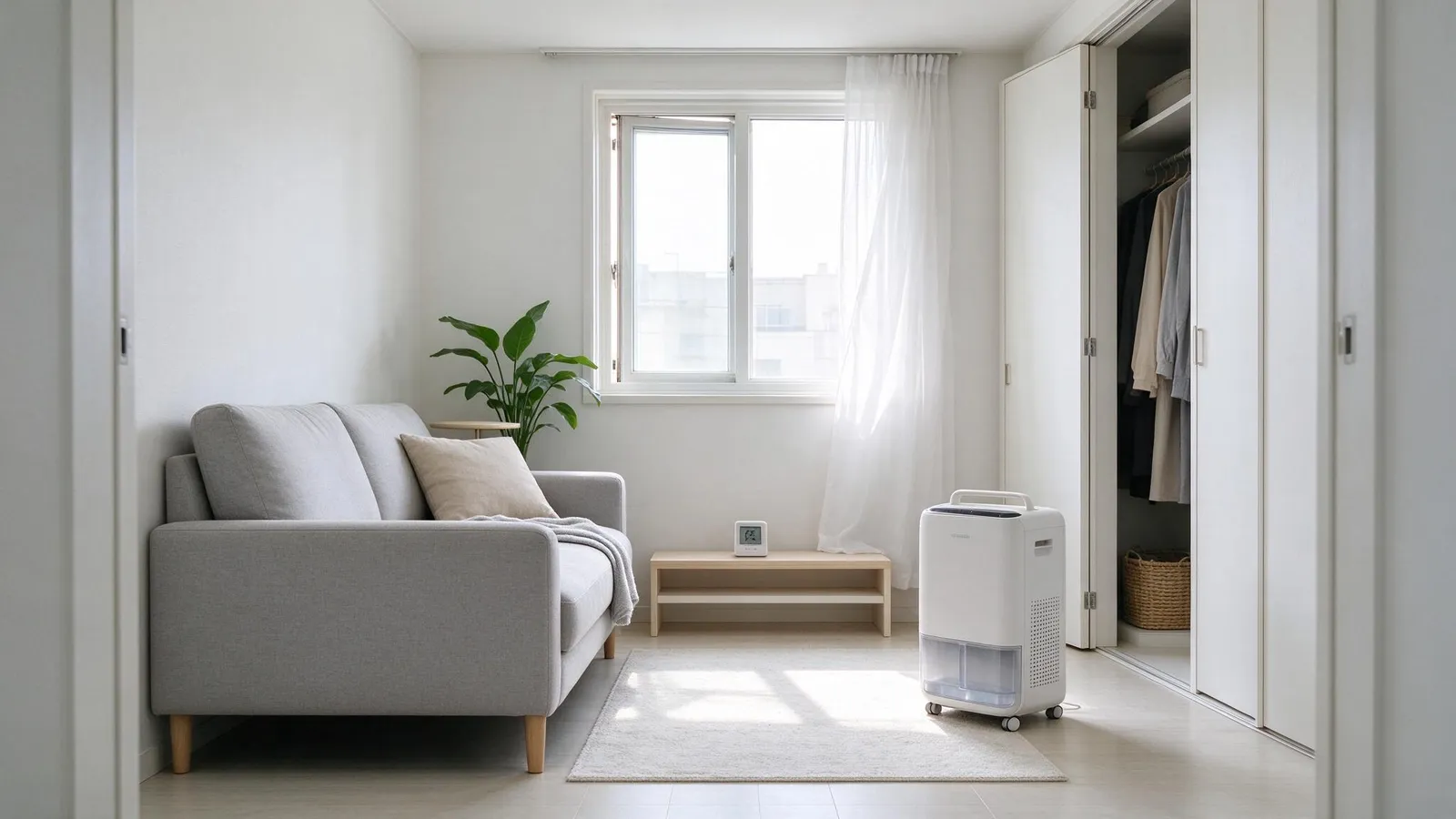
How to Prevent Mold in a Small Apartment: A Renter's Plan
Mold keeps coming back when moisture does. Here's how renters can control humidity, fix problem spots room by room, and know when a mold issue is too big to handle alone.
Anchoring dressers, bookcases, and TVs takes an anti-tip kit and a short install. Here's what to secure, how to do it, and what to do if you can't drill.
Published · 6 min read

To anchor furniture to a wall, attach an anti-tip kit or bracket to the piece, fasten it to the wall, and follow the manufacturer's instructions. The U.S. Consumer Product Safety Commission (CPSC) urges adults to anchor TVs and furniture such as bookcases and dressers securely to the wall. Below you'll find what to secure first, a step-by-step install, and safer setups if you can't drill right now.
An anti-tip kit is the simplest fix. CPSC Chair Alex Hoehn-Saric said in February 2022 that most anti-tip-over kits cost less than $20 and can be installed in fewer than 20 minutes.

CPSC says existing furniture can be anchored with inexpensive anti-tip brackets. New furniture such as dressers is sold with anti-tip devices that should be installed right away.
CPSC also recommends anchoring all clothing storage furniture, regardless of when it was manufactured or purchased. That includes the hand-me-down dresser and the one you bought last month.

A few numbers explain why safety officials focus on this small chore:
There is encouraging news too. CPSC says its Anchor It! campaign contributed to a nearly 50-percent decline in tip-over-related injuries and deaths in the U.S.
Use this checklist to decide where to start. Begin with the pieces a child could climb.

Exact hardware and techniques differ by product, so treat these steps as a general workflow and let your kit's instructions have the final word.
What you'll need: an anti-tip kit or bracket set, a stud finder, a drill or screwdriver, a pencil, a level, and the manufacturer's instructions for both the furniture and the kit. If your kit doesn't include wall anchors, consider picking up drywall anchors that are rated for the load.

CPSC's Anchor It! website also outlines three simple steps to install an anchoring kit correctly, so it's worth a look alongside your kit's instructions.

| Situation | What to try |
|---|---|
| Brand-new dresser | Use the included anti-tip device, following the furniture's instructions |
| Older bookcase or dresser | Buy a separate bracket set and follow its instructions |
| No stud lines up | Use a drywall anchor with a load rating suited to your piece, or ask the manufacturer which fasteners fit |
| Masonry or other non-drywall wall | Follow the kit's guidance on fasteners, or ask the manufacturer |
This is general guidance, so defer to your kit's instructions and your lease. A simple decision path can help:

On January 12, 2024, CPSC announced a recall of millions of New Age Furniture anti-tip-over kits because the plastic zip ties could become brittle or weak over time. If your furniture came with a kit, look up whether it has been recalled.

Sometimes drilling isn't possible yet. CPSC offers interim advice for those situations, though it isn't a substitute for anchoring when you can.

No. A federal mandatory standard that went into effect in September 2023 requires clothing storage units such as dressers and armoires to meet key stability requirements, but CPSC's recommendation to anchor still applies.

Related reading: How to Prevent Mold in a Small Apartment: A Renter's Plan
Yes. CPSC recommends anchoring all clothing storage furniture regardless of when it was manufactured or purchased.
CPSC Chair Alex Hoehn-Saric said in February 2022 that most kits cost less than $20 and can be installed in fewer than 20 minutes.
Yes. CPSC advises that TVs that are not wall mounted should still be anchored to the wall.
CPSC advises placing TVs on a sturdy, low base, pushing them back as far as possible, and keeping cords out of reach. It also advises storing heavier items on lower shelves and keeping tempting items like toys and remotes out of kids' reach.
Check whether your kit was recalled. CPSC announced a recall of millions of New Age Furniture anti-tip-over kits because the plastic zip ties could become brittle or weak over time.
Mold keeps coming back when moisture does. Here's how renters can control humidity, fix problem spots room by room, and know when a mold issue is too big to handle alone.
A breakdown of Austin homebuying costs using Census Bureau and CFPB figures, showing what is fixed, what varies by lender, and how to build a realistic cash-to-close and monthly budget.