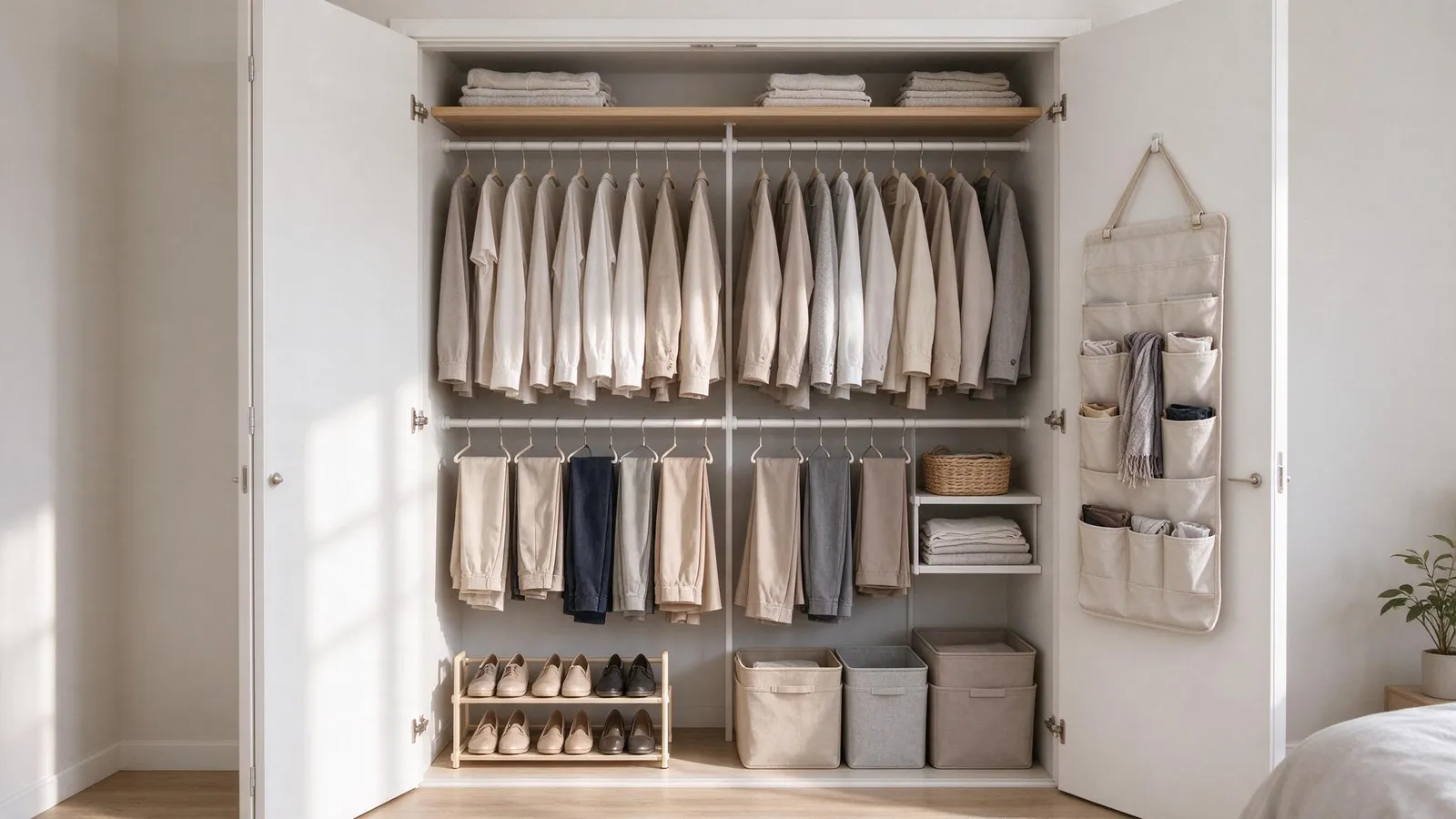
How to Organize a Small Closet, Step by Step
A measure-first plan for a cramped closet: empty it, sort it, measure it, and buy only the storage pieces that fit. Includes a worksheet and an add-on comparison table.
A breakdown of Austin homebuying costs using Census Bureau and CFPB figures, showing what is fixed, what varies by lender, and how to build a realistic cash-to-close and monthly budget.
Published · 6 min read

Buying in Austin means a large upfront check at closing plus a monthly payment that goes well beyond the mortgage itself. Census Bureau figures put the typical home price and tax bill in context, and CFPB guidance shows which closing costs you can shop for or negotiate. Use the numbers below to build a cash-to-close and monthly budget.
The table shows Austin city medians from the Census Bureau's American Community Survey (ACS) 2020–2024 5-year estimates.

| Measure | Austin figure |
|---|---|
| Median value of owner-occupied housing units | $555,300 |
| Median selected monthly owner costs (units with a mortgage) | $2,679 per month |
| Median real estate taxes paid | $8,024 per year |
| Median household income | $93,658 (2024 inflation-adjusted dollars) |
These are citywide medians, not a quote for any specific home or a new loan. This guide cannot tell you your Austin closing costs, insurance quotes, or HOA fees, so you will need to get those from lenders, insurers, and the HOA itself.
For an illustrative cash-to-close range, see the example in the mortgage rate section below. It adds a closing-cost placeholder to each down payment option.
Your down payment is the biggest piece of cash you will bring. Mortgage insurance is typically required if the down payment is less than 20 percent of the home price, so that threshold affects both your upfront cash and your monthly bill.

Closing costs are the fees paid when you finalize the purchase. They include title insurance, credit report and appraisal fees, origination fees, and more.
For a national benchmark, the CFPB reports that in 2022 the median amount borrowers paid in total loan costs and fees was nearly $6,000. The CFPB also said median total loan costs on home purchase loans increased by over 36 percent from 2021 to 2023. These are national figures, so your Austin total may differ.

Discount points are an optional extra. In 2022, about 50.2 percent of home purchase borrowers paid some discount points.
Here is how the costs split into one-time and recurring items:
| Upfront cash (at closing) | Monthly cost |
|---|---|
| Down payment (your choice; see the example below) | Principal and interest |
| Closing costs (confirm on your Loan Estimate) | Property taxes |
| Discount points, if you choose to buy them | Homeowner's insurance (get an insurance quote) |
| Prepaid items your lender lists (check your Loan Estimate) | Mortgage insurance, if your down payment is under 20 percent |
| HOA dues, if the home has an HOA (ask the seller or HOA) |
Not every closing fee works the same way. Knowing who controls each cost tells you where to compare prices.
| Cost type | Examples | Can you shop for it? |
|---|---|---|
| Varies across providers rather than lenders | Homeowner's insurance, survey, pest inspection | Yes, compare quotes from providers |
| Does not vary by lender | Property taxes, recording fees, HOA fees, county fees | No, these are set outside the lender |
The lender does not have to pass the credit report cost to the buyer, so it is worth asking about.
Title insurance deserves a close look. A lender's title insurance policy protects only the lender, not you. The CFPB director has said title insurance fees are a major closing expense, often costing thousands of dollars.

Before you count on comparing title insurance prices, ask your lender or a title company whether that is possible in Texas.
Here are three ways to pay closing costs, each with a tradeoff:
| Method | Tradeoff |
|---|---|
| Pay out of pocket | You need more cash at closing |
| Lender credit | The lender covers costs, but you get a higher interest rate |
| Roll into the loan | Lower upfront costs, but more interest and higher overall costs |
If you are considering a lender credit or rolling costs into the loan, ask for the total cost over the time you expect to keep the loan, not just the cash saved at closing.

The U.S. 30-year fixed-rate mortgage average was 7.24% for the week of October 29, 2026, per Freddie Mac data on FRED. The average was 7.03% for the week of September 24, 2026. Your own rate depends on your lender and loan, so check current quotes.

Principal and interest alone understate what you will pay each month. The total monthly payment is typically more because of taxes and insurance, which may be bundled through escrow. Any items in the Estimated Taxes, Insurance & Assessments section that are not escrowed must be paid directly, often in large lump sums.

Example: Say you buy at Austin's median home value of $555,300 on a 30-year fixed loan at 7.24%. The monthly rate is r = 0.0724 / 12 ≈ 0.006033, and n = 360 months. Using M = P·r(1+r)^n / ((1+r)^n − 1), the payment is about $6.815 per $1,000 borrowed.
For the tax column, we use the citywide median of $8,024 per year, or about $669 per month, as a placeholder only. For the cash-to-close column, we assume $6,000 in closing costs, a round number based on the national CFPB median above. Neither is a quote for an Austin home.
| Down payment | Cash down | Cash down plus $6,000 placeholder | Loan amount | Principal and interest | P&I plus tax placeholder |
|---|---|---|---|---|---|
| 3.5% | $19,436 | $25,436 | $535,865 | $3,652 | $4,321 |
| 10% | $55,530 | $61,530 | $499,770 | $3,406 | $4,075 |
| 20% | $111,060 | $117,060 | $444,240 | $3,027 | $3,696 |
These figures exclude homeowner's insurance, HOA dues, and mortgage insurance, so confirm those with an insurance quote and your lender's Loan Estimate. The two smaller down payments are under 20 percent, so mortgage insurance would typically apply.

The Census monthly owner cost median is a citywide figure across homeowners with a mortgage. The example uses the median home value and a current rate, so the two numbers are not directly comparable. Budget from your own lender quotes rather than from either one.
Property tax bills depend on the specific home. Ask your agent or the county for the tax rate and any exemptions that may apply to the home you are considering. To test your own price and rate, try the mortgage calculator.

What you need: recent pay stubs and bank statements, your target price range, and a list of questions for lenders.

When you are done, you should have a written cash-to-close figure and a monthly payment that includes principal, interest, taxes, and insurance. If any number is still a placeholder, keep asking until it is confirmed.
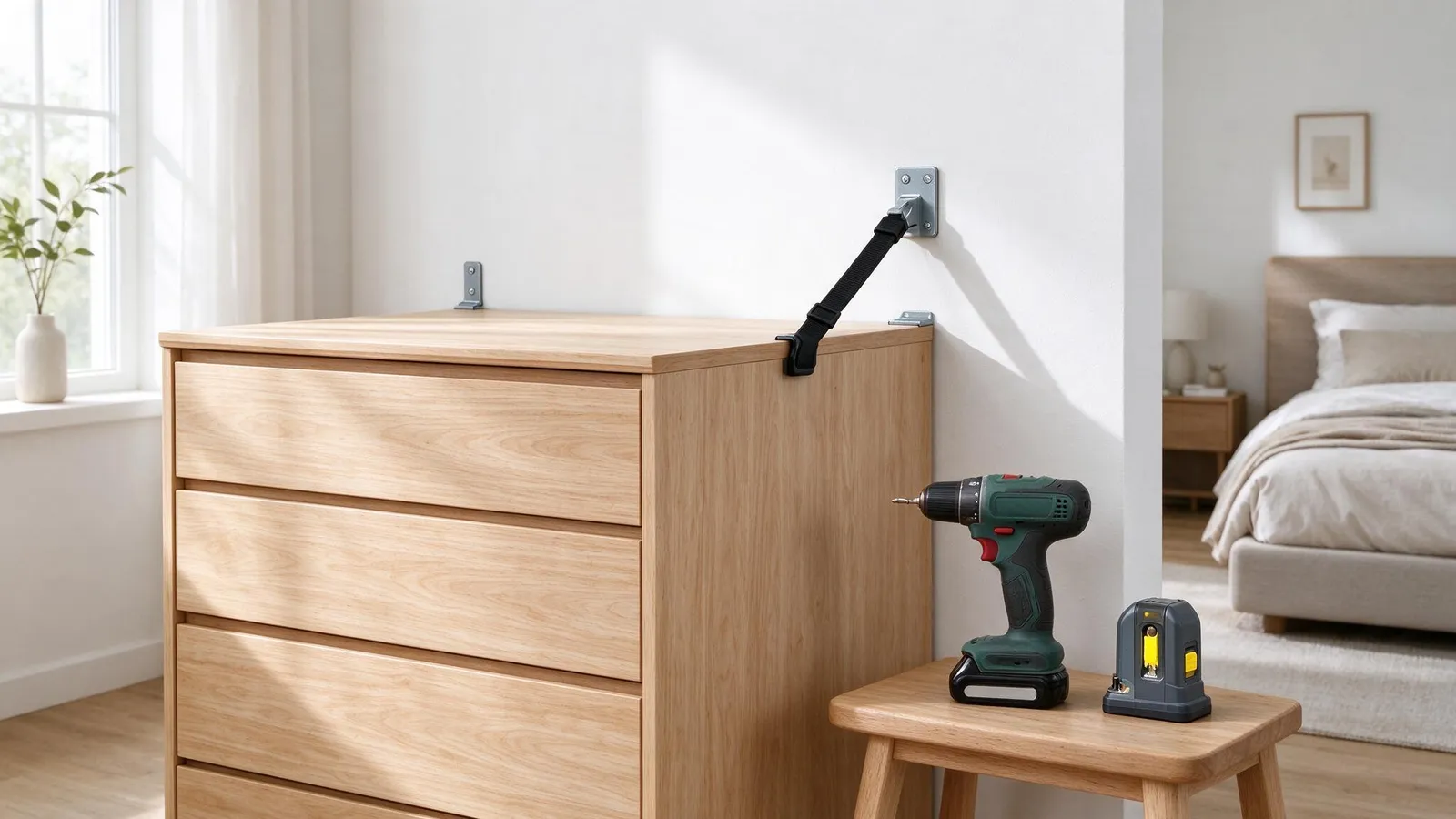
Related reading: How to Anchor Furniture to a Wall: Step-by-Step Guide
A measure-first plan for a cramped closet: empty it, sort it, measure it, and buy only the storage pieces that fit. Includes a worksheet and an add-on comparison table.
Anchoring dressers, bookcases, and TVs takes an anti-tip kit and a short install. Here's what to secure, how to do it, and what to do if you can't drill.
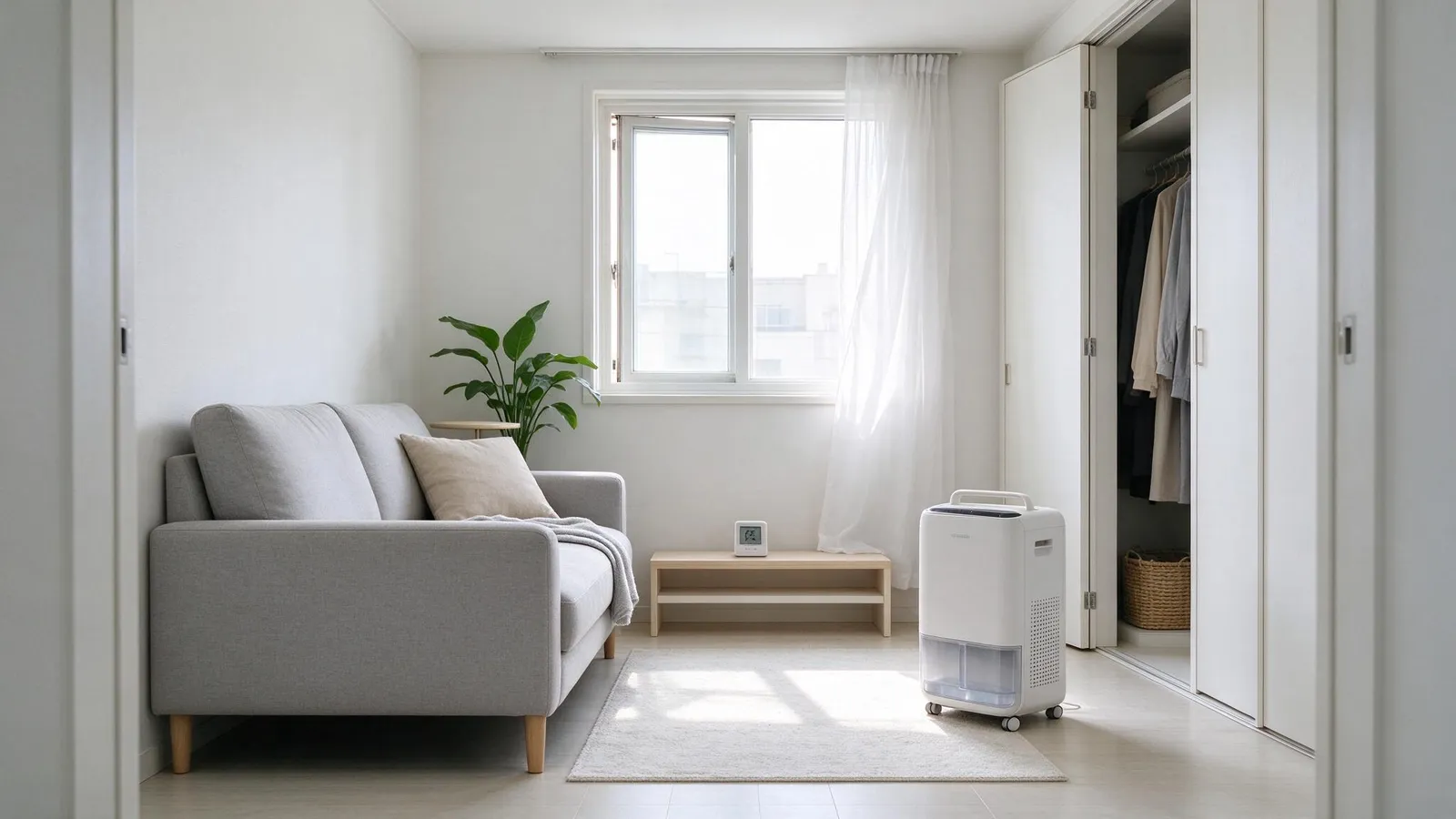
Mold keeps coming back when moisture does. Here's how renters can control humidity, fix problem spots room by room, and know when a mold issue is too big to handle alone.